
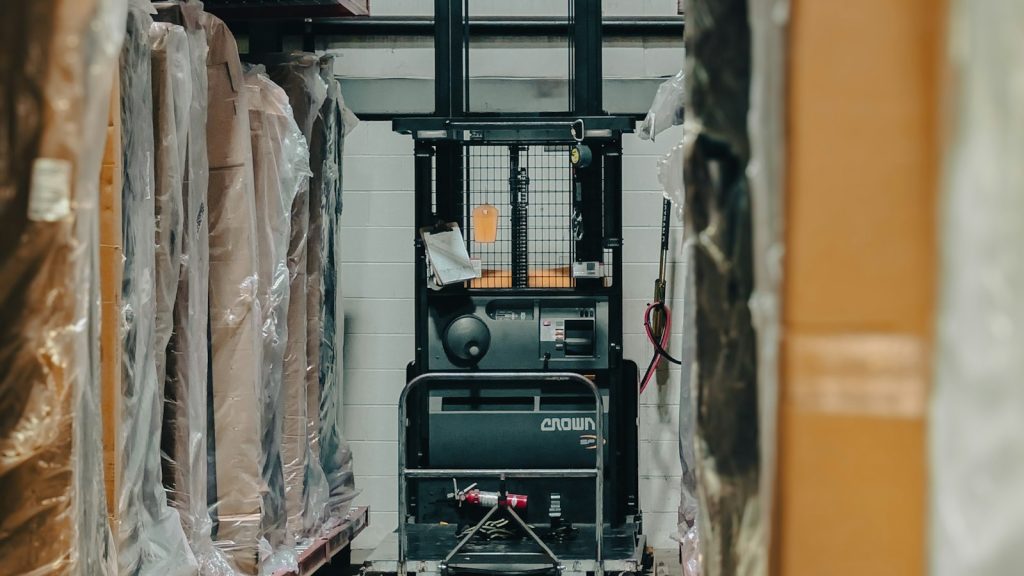
Peak season does not arrive gradually in a distribution center. Volume steps up, the temporary headcount lands, and every square foot you were not using in August is suddenly holding product. Whatever condition the building is in by the end of October is roughly the condition it will stay in until February, because nobody is going to shut an aisle down in the middle of a shipping week to scrub it.
That is the reason the serious cleaning happens now rather than later. This is the plan we work from with facility and operations managers across metro Atlanta: what to clean before volume arrives, in what order, and how far ahead to put it on the calendar.
Why it has to happen before the ramp, not after
Three things change once peak starts, and all three work against you.
- Access disappears. Floor you could scrub in a single night shift in October is holding pallets in November. Overhead work needs a lift, and a lift needs clear floor underneath it.
- Shutdown windows shrink. Most buildings go from one shift to two, or two to round the clock. The four-hour gap a crew could work in stops existing.
- New people inherit the standard they walk into. Seasonal staff take their cue from how the building looks on day one. A clean floor with visible lane markings is a safety briefing that repeats itself every shift.
There is also the audit side of it. Customer visits, insurance walkthroughs and food safety audits cluster around the same quarter, and they are rarely scheduled when it suits you.
What actually needs doing before volume arrives
Not everything in the building needs attention every year. These are the five areas that pay for themselves before January.
1. The floors
Floors are the largest surface in the building and the first thing anyone judges it by. A nightly janitorial crew is almost never scoped to scrub the whole floor, only the main aisles and the walkways people see. The result by October is a building with clean traffic lanes and a grey film everywhere else, plus forklift tire marks and rubber build-up at every turn point and charging station.
A full warehouse floor scrubbing pass with ride-on and walk-behind machines covers open floor, racking aisles, the dock apron and the areas under and around charging bays. Done before the racking fills up, the machines can run proper routes instead of weaving around product.
2. Overhead steel, lighting and sprinkler lines
Dust on beams, conduit, sprinkler heads and light fixtures is the item most buildings skip for years, because it needs lifts and nobody wants to book lifts. It matters for three reasons: dust on fixtures costs you measurable light at floor level, loaded sprinkler heads are a fire marshal finding, and overhead dust eventually falls, usually onto product.
High dusting is also the job that most obviously has to come before the floor work, because everything you remove from the steel lands on the ground.
3. Racking and uprights
Dust sitting on beam faces and on the top of stored cartons is the thing an auditor runs a finger along. Cleaning racking before it fills is a fraction of the work it becomes afterwards, and it is the point at which crews often spot damaged uprights and missing safety clips, which is worth knowing in October rather than in December.
4. Docks, dock seals and staging
Dock areas take the worst of the weather and the heaviest traffic, and they are where most pest problems start. Dock pits collect debris and standing water, seals collect grime, and the staging floor behind them picks up everything the trailers bring in. This area gets dirty again quickly, which is exactly why it should start the quarter clean.
5. Offices, break rooms and restrooms
A building that doubles its headcount for three months doubles the load on the welfare areas, usually without doubling the janitorial scope. Restrooms, break rooms and locker areas going into peak at their best is cheaper than the complaints that come when they do not.
The order matters more than people expect
The sequence is not a preference, it is the difference between one visit and two. Overhead first, then racking, then floors, then docks, then the welfare areas. Dust falls, so anything cleaned before the overhead work is cleaned twice. We have walked into plenty of buildings where a previous contractor scrubbed the floor on day one and high dusted on day two, and the floor had to be redone at somebody’s expense.
For a whole building taken in one scheduled project, this is what a warehouse deep clean is: one crew, one plan, top to bottom, in the right order.
How far ahead to book it
In metro Atlanta the window is tighter than most managers expect, for an ordinary reason: everyone else in the Fulton, Gwinnett and Henry county industrial corridors is trying to book the same two or three weeks in October. Lift rental gets tight at the same time.
- Six to eight weeks out: walkthrough and fixed quote, so the scope and the date are locked before rental equipment is spoken for.
- Three to four weeks out: confirm the shutdown window with operations and get the site rules, sign-in process and any contractor induction out of the way.
- One week out: clear the areas that need to be clear. This is the step that slips, and it is the one that decides whether the crew finishes on schedule.
- The job itself: nights or a weekend, with a walkthrough at the end so the punch list is handled before the crew leaves.
If you are moving into a building for peak rather than cleaning one you already run, the relevant jobs are post-construction cleaning for a newly built or newly fitted space, and move-out cleaning on the space you are leaving.
What can wait until January
Not everything belongs in the October window, and padding the scope is how a quote stops being worth approving. These usually keep:
- Floor restoration, resealing or coating repair, which needs the building quiet and the floor out of service for longer than peak allows
- Exterior and parking area work, unless there is a drainage or debris problem affecting the docks
- Mezzanine and storage room clear-outs, where the value is in the decluttering rather than the cleaning
- Anything in a space that will be torn up by a January racking change or fit-out
If you only do one thing
Scrub the whole floor, not just the aisles. It is the largest surface, it is what everyone sees, it is the item most likely to be missing from your current janitorial scope, and it is the one that becomes impossible once the building is full.
If you want a number for your own building rather than a general plan, a walkthrough takes thirty to forty-five minutes and gives you a line-item scope and a fixed price. See what we cover, or call and we will get a date on the calendar while there is still room in October.